Vibe with your code, but don't become a vibe coder
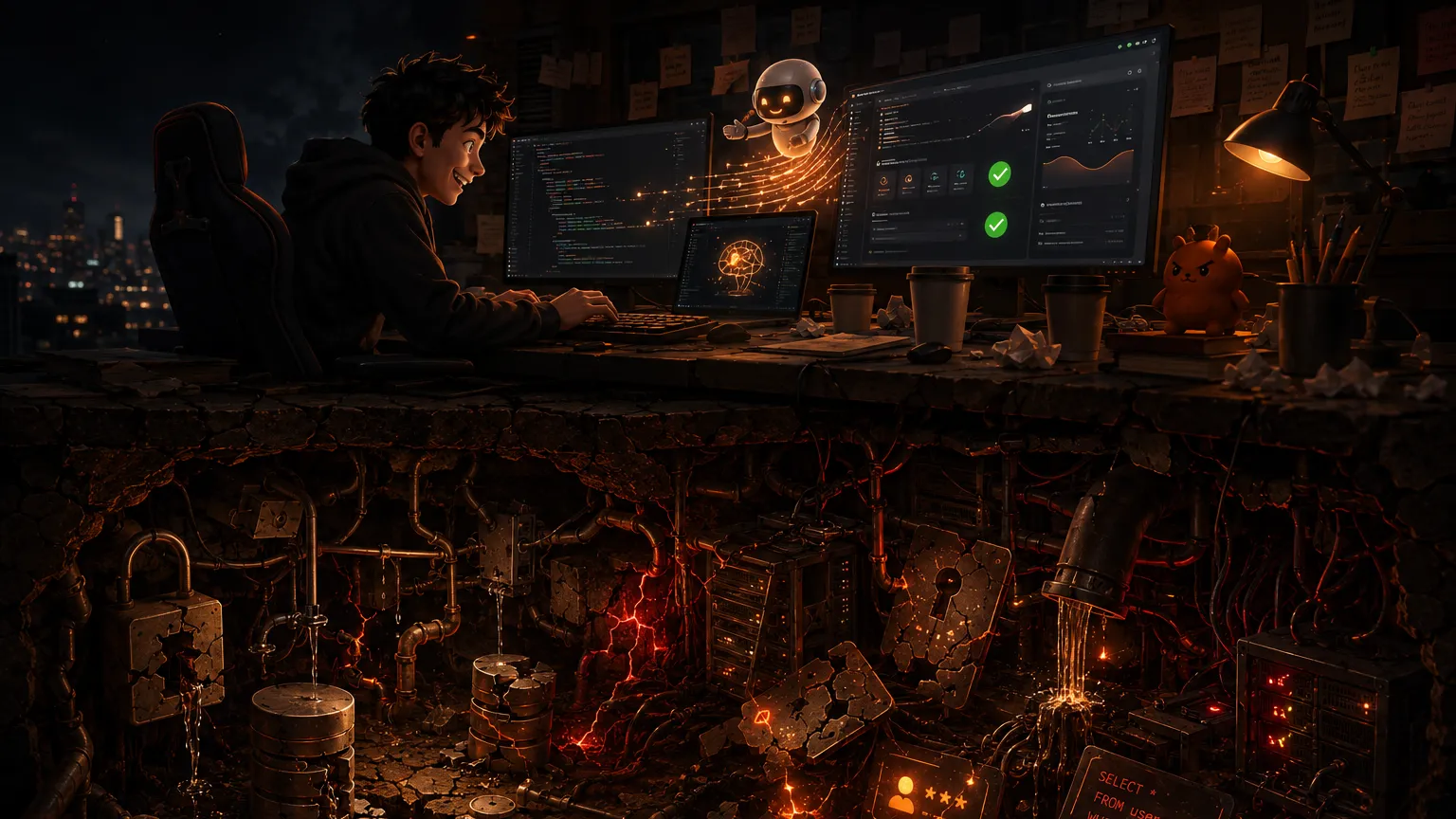
Open Twitter or LinkedIn right now and you will see the exact same clip on loop. A developer types three sentences into cursor or bolt, taps a keyboard shortcut, and watches a stunning dashboard compile itself in fifteen seconds. Gradients are glowing, animations are buttery, and the comments are full of people saying software engineering is officially dead. It is a magical experience. It is the most fun you can have in front of a screen. But when you try to build a real product purely on vibes, you are not building software. You are building a house of cards.
There is a massive difference between a project that looks complete and a project that is actually safe, fast, and structured. When you let an LLM write your entire application without double-checking the fundamentals, you are not just skipping the boring parts. You are inheriting a massive pile of security vulnerabilities, database landmines, and structural gaps that will blow up the second your first ten users log in.
The security blind spot (or, why your API keys are in public view)
The absolute classic vibe-coder mistake is letting the AI handle a quick frontend data fetch or file upload. The model writes some client-side JavaScript that sends a request to a database, or uploads a file to a storage bucket. It works. The upload is successful. You feel like a genius.
But under the hood, the model did the easiest thing possible to get the UI working. It hardcoded your private database password or your storage service secret keys directly into the client script. The moment you push that code to production, your API keys are visible to anyone who clicks "Inspect Element" in their browser. Within hours, automated scrapers find your keys, and suddenly your card is billed thousands of dollars for database usage you did not authorize.
Prototyping on vibes is fine. Running database queries directly from a public client is a security disaster waiting to happen.
Real engineering means setting up proper backend routes, securing your environment variables, and using temporary presigned URLs for client-side uploads. A model will not configure those secure barriers for you unless you know to ask for them.
The database dilemma (no constraints, no indexes, pure chaos)
Another area where vibes fall apart is database architecture. When you ask a model to write a schema for your database, it generates a flat table with basic types. When you run your queries locally with five records, everything is instant. It feels fast, clean, and perfect.
But when you do not understand the underlying database, you miss the things that actually matter for scale:
SQL Constraints: Without proper foreign key constraints, your tables will eventually fill up with orphaned records (for example, comments belonging to users who deleted their accounts three weeks ago).
Database Indexes: If you do not create indexes on columns you search frequently (like email or username), the database has to scan every single record in the table for every login. Once you have a thousand users, your dashboard starts taking five seconds to load.
Race Conditions: When two users click a button at the exact same millisecond to buy the last seat in a course, a vibe-coded route might let both of them pay. A structured database transaction is the only thing that prevents this.

The search engine black hole (getting zero organic traffic)
Vibe coders love building single-page apps (SPAs) because they compile instantly and look modern. But if you do not understand how web crawlers navigate the internet, you are building a site that is invisible to search engines.
A pure client-side React app is essentially a blank page until the browser downloads and runs your JavaScript. When Google or Bing crawls your site, they see an empty document with no text, no headings, and no meta descriptions. You can have the most beautiful landing page in the world, but if search engines cannot parse the content, you will get zero organic traffic. Real developers know when to use server-side rendering (SSR), metadata tags, and semantic HTML structure to make sure their site is discoverable.
Vibe to prototype, engineer to ship
This is not a call to stop using AI code assistants. Tools like Cursor are a superpower. They let you clear the boring boilerplate, brainstorm ideas, and prototype products faster than ever before. You should absolutely vibe with your code during the early ideation phase.
But when you decide to take a product public, you have to transition from a vibe coder to a software engineer. That means scabbing the database yourself, checking the network tab for exposed keys, writing server-side validation, and building clean API structures.
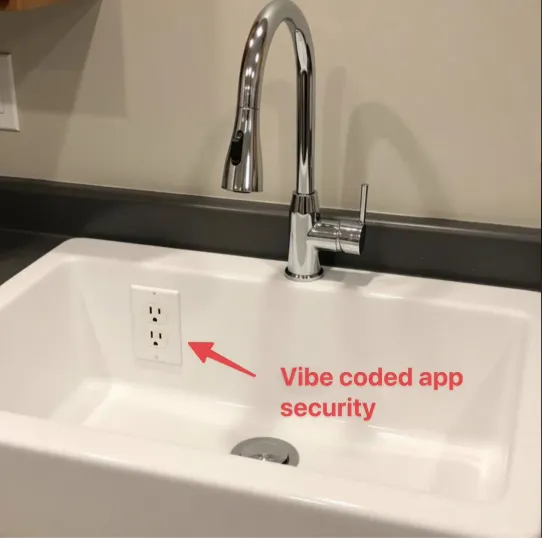
This is exactly why Forke exists. The world does not need more cloned templates with exposed credentials. It needs developers who can scope a task, structure a secure database, validate inputs, and ship real, safe code. If you are ready to prove you can build things that actually work under load, come check out our open bounty tasks.
Stop prompting blindly. Start engineering.