Will AI replace junior developers?
Open any tech feed right now and it is the same take on repeat. AI writes code now, so the entry-level developer is done. The bootcamp was a scam. The CS degree was a waste. Why would anyone pay a junior to do what a model does for the price of a coffee? It is a great headline. It is also, if you actually look at what is happening, wrong about the part that counts.
Here is the part that is actually true. AI changed the floor. The kind of work that used to be your first paid task, a small bug fix, a basic endpoint, a component built off a Figma file, is now something a competent person can get a model to draft in minutes. The boring on-ramp got shorter. That is real, and pretending it did not happen helps no one.
The squeeze nobody says out loud
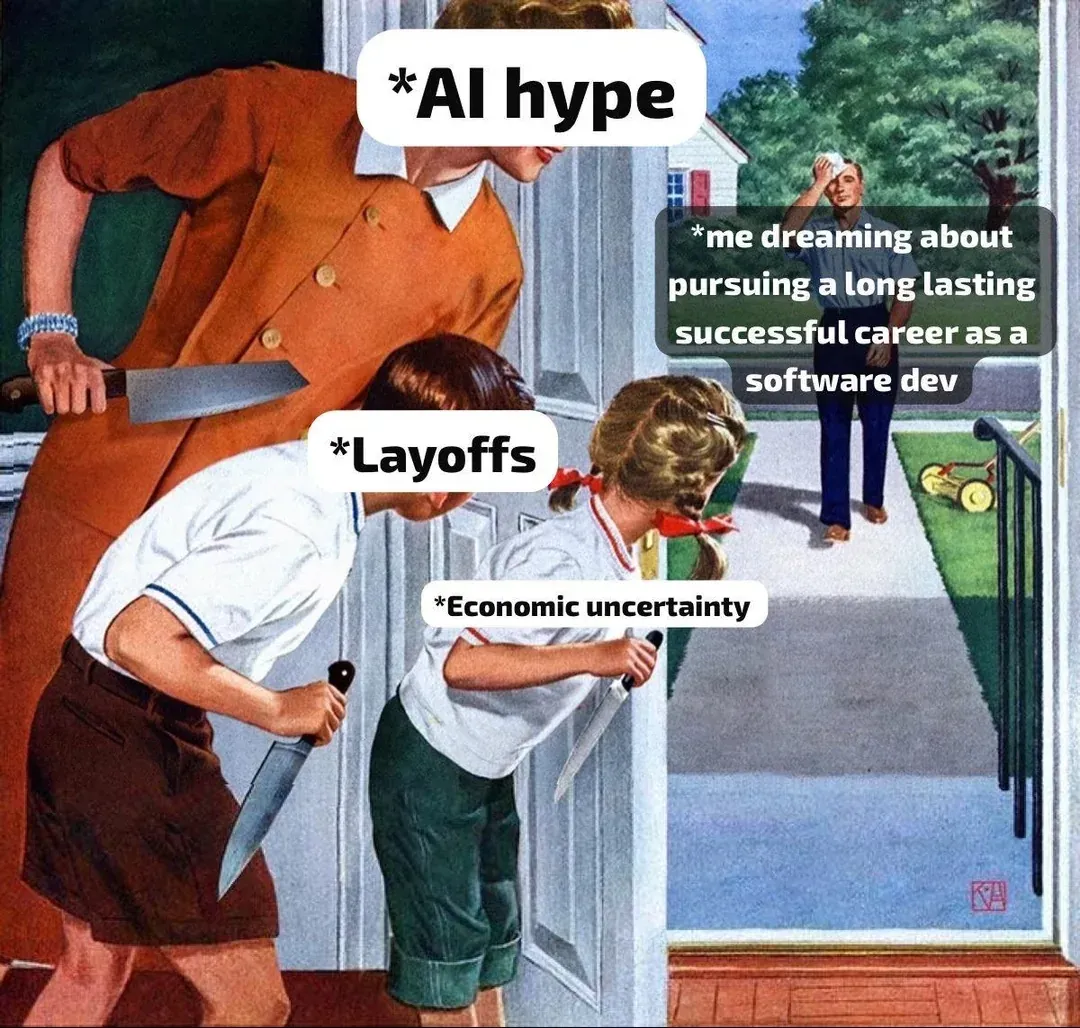
But the headline skips the real problem. Companies were never scared to hire juniors because juniors could not write code. They were scared because hiring is a bet on someone with no track record. A resume full of tutorials and a portfolio of to-do apps is a promise, not proof. AI did not create that gap. It just deleted the easy tasks that used to be the first rung of the ladder, and left the trust problem standing there, bigger than before.
So the squeeze is not "AI can code, so juniors are useless." The real squeeze is this: the cheap proof of work is gone, and the only thing left that sets you apart is whether you can actually finish real work that real people depend on. The model can write the function. It cannot show up, scope the problem, ship it, and get a stranger to sign off that it solved their actual need.
AI did not kill the entry-level job. It killed the part of the entry-level job that was easy to fake.
What still cannot be automated
Strip away the stuff a model now does for free and look at what is left. It turns out to be the entire hard part of being a developer, which was always the real job anyway:
Understanding a vague request well enough to scope it into something you can actually finish.
Making the dozen small judgment calls a ticket never spells out for you.
Shipping something that works in production, not just in the happy path of a demo.
Building a record a stranger can trust without taking your word for it.
None of that is a prompt. All of it is exactly what compounds into a career. The people who will be fine are not the ones refusing to touch AI, and they are not the ones letting it think for them. They are the ones using it to clear the boring 80% faster, then spending the time it frees up on proving they can be trusted with the 20% that matters.
Why this is basically the whole reason Forke exists
We did not build Forke because of this year’s AI panic. But the panic made it really obvious why we did. The problem we set out to solve, the gap between learning to code and getting paid to code, is the exact same gap the AI shift just made wider. When the easy on-ramp disappears, you need a different one. Somewhere you can do real, scoped, paid work and walk away with proof you actually did it.
That is the loop. Someone posts a task with a bounty on it. You claim it, ship it, and get it approved by the person who needed it done. The money sits in escrow the whole time, so nobody has to trust anybody on faith, and every approved task becomes a public, verifiable line in a record no model can generate for you. In a world where code is cheap and trust is expensive, a track record of finished, paid work is the most valuable thing you can own.
Stop arguing about the headline

"Will AI replace junior developers" is the wrong question. The better one is quieter and a lot more useful: when the easy tasks are free, what are you doing to prove you can do the hard ones? You can spend that energy doom-scrolling threads about the death of the industry. Or you can spend it shipping something real that someone was actually willing to pay for.
We know which one builds a career. Come ship something real.